How AI Voice Agents Help Dealerships Capture More Service Revenue
How AI Voice Agents Help Dealerships Capture More Service Revenue
How AI Voice Agents Help Dealerships Capture More Service Revenue
Learn how an AI voice agent helps dealerships capture service calls, book appointments, reduce missed opportunities, and increase service revenue.
Learn how an AI voice agent helps dealerships capture service calls, book appointments, reduce missed opportunities, and increase service revenue.
Pro Tips
Pro Tips

An AI voice agent can help dealerships capture more service revenue by answering more calls and turning more of those conversations into appointments. It can handle routine questions, support dealership service scheduling, and keep answering customers when service advisors are busy or the department is closed. This gives dealerships more opportunities to turn incoming service demand into actual repair orders.
So, where is that revenue being lost today, and how can AI help dealerships capture more of it?
Why Dealerships Lose Service Revenue From Phone Calls
Customers still call dealerships every day to schedule maintenance, ask about repairs, change appointments, or check service availability. The problem is that service teams cannot always answer every call when it comes in. That creates several points where potential service revenue can disappear.
Missed Calls Turn Into Missed Service Appointments
A customer calling about an oil change or brake inspection is already showing intent to schedule service. If nobody answers, that customer may leave a voicemail. They may also call another dealership or repair shop that answers immediately.
Either way, an unanswered call can quickly become a lost appointment.
Long Hold Times Create Customer Drop-Off
Long hold times can lead to abandoned calls, especially for customers trying to handle a simple task like booking or rescheduling an appointment.
Service Advisors Spend Too Much Time Answering Routine Calls
Service advisors already have plenty happening in the department. They are working with customers, technicians, repair orders, vehicle updates, and other day-to-day tasks.
When they also have to answer every routine scheduling call, something has to compete for their attention.
After-Hours Calls Often Go Straight to Voicemail
Customers may call after work, at night, or over the weekend. If those calls go straight to voicemail, the dealership has to wait until the next business day to follow up. By then, the customer may have already booked somewhere else.
How an AI Voice Agent Helps Dealerships Increase Service Revenue

An AI voice agent for car dealerships gives service departments another way to handle incoming demand.
It can answer calls, understand why customers are calling, respond to common questions, capture customer information, support AI service scheduling, and transfer conversations that need a service advisor.
The goal is to help more callers reach the next step while they are still interested.
1. An AI Voice Agent Captures More Inbound Service Calls
An automotive AI voice assistant can answer when service advisors are busy with customers or other tasks. It can handle routine requests immediately instead of sending callers to voicemail or leaving them on hold.
Handling Multiple Calls at the Same Time
A human employee can typically manage one phone conversation at a time. An AI system can handle multiple supported conversations simultaneously.
That can be especially useful during morning rushes, lunch hours, promotional campaigns, weather events, and other periods when call volume suddenly increases.
2. AI Voice Agents Convert More Calls Into Service Appointments
When connected with compatible scheduling systems, an AI voice agent can collect customer and vehicle information, identify the requested service, check availability, and help book an appointment during the same conversation.
Reducing Friction in Automotive Service Appointment Scheduling
Customers generally want to know when they can bring their vehicle in. Making them wait for a callback adds another step. With automated dealership service scheduling, customers can potentially go from asking about availability to having a confirmed appointment during one call.
3. AI Service Scheduling Captures After-Hours Revenue Opportunities
AI service scheduling can keep supported appointment booking available after employees have gone home. Customers can call when it is convenient for them and still move forward with their service request.
Turning Voicemail Into Booked Appointments
Traditional voicemail records the request for someone to handle tomorrow. An AI system can potentially collect the information, check available appointments, and complete the supported booking right then.
The dealership wakes up with an appointment on the calendar rather than another callback on the list.
4. AI Voice Agents Reduce Revenue Lost to Missed Calls
An AI system can provide another layer of call coverage when employees cannot answer, helping keep those customers engaged.
Why Speed-to-Response Matters for Service Customers
Customers calling about service are often ready to take action. If they cannot get help quickly, it is easy to try another shop.
Responding during that initial call gives the dealership a better chance of capturing the appointment while the customer is still looking to book.
5. An AI Voice Agent Lets Service Advisors Focus on Higher-Value Work
Does a service advisor really need to personally answer every call asking about business hours or available oil-change appointments?
An AI voice agent can handle many of those repetitive conversations. That gives advisors more time for customers who need repair explanations, vehicle updates, recommendations, or help with more complicated service concerns.
Supporting the Human Service Team With AI
An AI receptionist for dealerships works well as another layer of support for the existing team.
AI can handle routine calls and scheduling, while employees step in when a conversation needs judgment, technical knowledge, or a personal discussion.
6. AI Voice Agents Improve the Customer Service Experience
An AI voice agent can provide quick answers, consistent call handling, and access to scheduling even during busy periods.
Creating a Better First Impression for Service Customers
The phone call may be a customer's first interaction with the service department. Getting an immediate response and a clear next step can make the process feel much easier than waiting on hold or leaving a voicemail and hoping someone calls back.
7. AI Appointment Booking Helps Fill the Service Calendar
AI appointment booking can help dealerships capture more incoming scheduling requests and move customers onto the calendar while they are ready to book.
From Incoming Call to Confirmed Service Appointment
Depending on the dealership's systems, the process can be straightforward:
Customer calls → AI identifies the request → customer and vehicle information is collected → availability is checked → appointment is booked → customer receives confirmation.
Reducing the steps between the initial call and confirmation can make it easier to turn service inquiries into appointments.
8. Dealership Call Automation Helps Prevent Service Leads From Falling Through the Cracks
Busy dealerships can end up with missed calls, voicemail messages, callback lists, and customer requests spread across different employees.
Dealership call automation helps keep routine inquiries moving without requiring someone to manually follow up with every caller.
An AI voice agent can capture customer details, record the reason for the call, help with scheduling, or route the conversation to the appropriate employee.
9. AI Voice Agents Can Support Multi-Location Dealership Groups
Managing service calls becomes more complicated when a dealership group has several stores.
An AI voice agent can help identify which location the customer needs, follow that store's scheduling rules, and route calls to the correct department.
Creating a Consistent Customer Experience Across Dealership Locations
Each location can have different hours, appointment availability, services, and workflows.
AI can follow those individual rules while giving customers a similar experience when they call different dealerships within the group.
10. AI Voice Agents Provide Better Visibility Into Dealership Call Activity
How many service calls are coming in? How many are being missed? And how many actually turn into appointments?
An AI platform with reporting can give dealership managers a clearer view of call activity and booking outcomes.
Using Call Data to Improve Service Department Performance
Dealerships can track metrics such as:
Total service calls
Missed or abandoned calls
Appointments booked
After-hours calls
Call-to-appointment conversion
Common customer requests
Human transfers
These numbers can help managers see where customers are dropping off and where additional scheduling capacity may help.
How Much Service Revenue Can an AI Voice Agent Help a Dealership Capture?
There is no single revenue number that applies to every dealership. The opportunity depends on call volume, missed-call rates, appointment conversion, average repair order value, capacity, and how effectively the AI handles service requests.
A dealership can estimate the opportunity using its own numbers.
Simple Service Revenue Opportunity Example
Suppose a dealership misses 100 service calls in a month. If 20 of those callers could have become appointments, that represents 20 potential repair orders the dealership had an opportunity to capture.
The actual revenue would depend on how many appointments are completed and the average repair order value.
Looking at real dealership call and service data gives managers a much more useful estimate than relying on a generic industry number.
AI Voice Agent vs. Traditional Dealership Phone Handling
Both AI and dealership employees have a role in the service experience. The main difference is how each handles volume and routine requests.
AI Voice Agent | Traditional Phone Handling |
Can provide 24/7 call coverage | Usually limited to staffed hours |
Can handle multiple supported calls at once | Employees generally handle one call at a time |
Can automate routine scheduling | Scheduling requires staff time |
Can support after-hours booking | Calls may go to voicemail |
Provides consistent call handling | Experience can vary based on staffing and workload |
Transfers complex conversations to employees | Employees handle both routine and complex calls |
For many dealerships, the practical approach is to use AI for repetitive calls while keeping service advisors available for conversations that need them.
What to Look for in an AI Voice Agent for Your Dealership
Not every AI phone system is built around dealership workflows. Before choosing one, dealerships should look closely at what the platform can actually handle.
Automotive-Specific Conversational AI
An AI voice agent for car dealerships should understand common automotive conversations, including service requests, vehicle information, appointment questions, and dealership terminology.
Service Appointment Scheduling Capabilities
The system should support AI appointment booking and work with the dealership's scheduling process rather than simply collecting a callback request.
Dealership System Integrations
Integrations can help the AI access scheduling information and keep customer details connected with the systems the dealership already uses.
Call Routing and Human Escalation
Some conversations need an employee.
The AI should recognize those situations and route or transfer the caller to the right person or department when appropriate.
Reporting and Call Analytics
Managers should be able to see what the AI is handling, what customers are calling about, and how those conversations are turning into appointments.
Ability to Handle Peak Call Volume
The system should be able to manage increases in call volume without creating the same hold-time problems dealerships are trying to solve.
Where AI Voice Agents Fit Into the Dealership Service Customer Journey
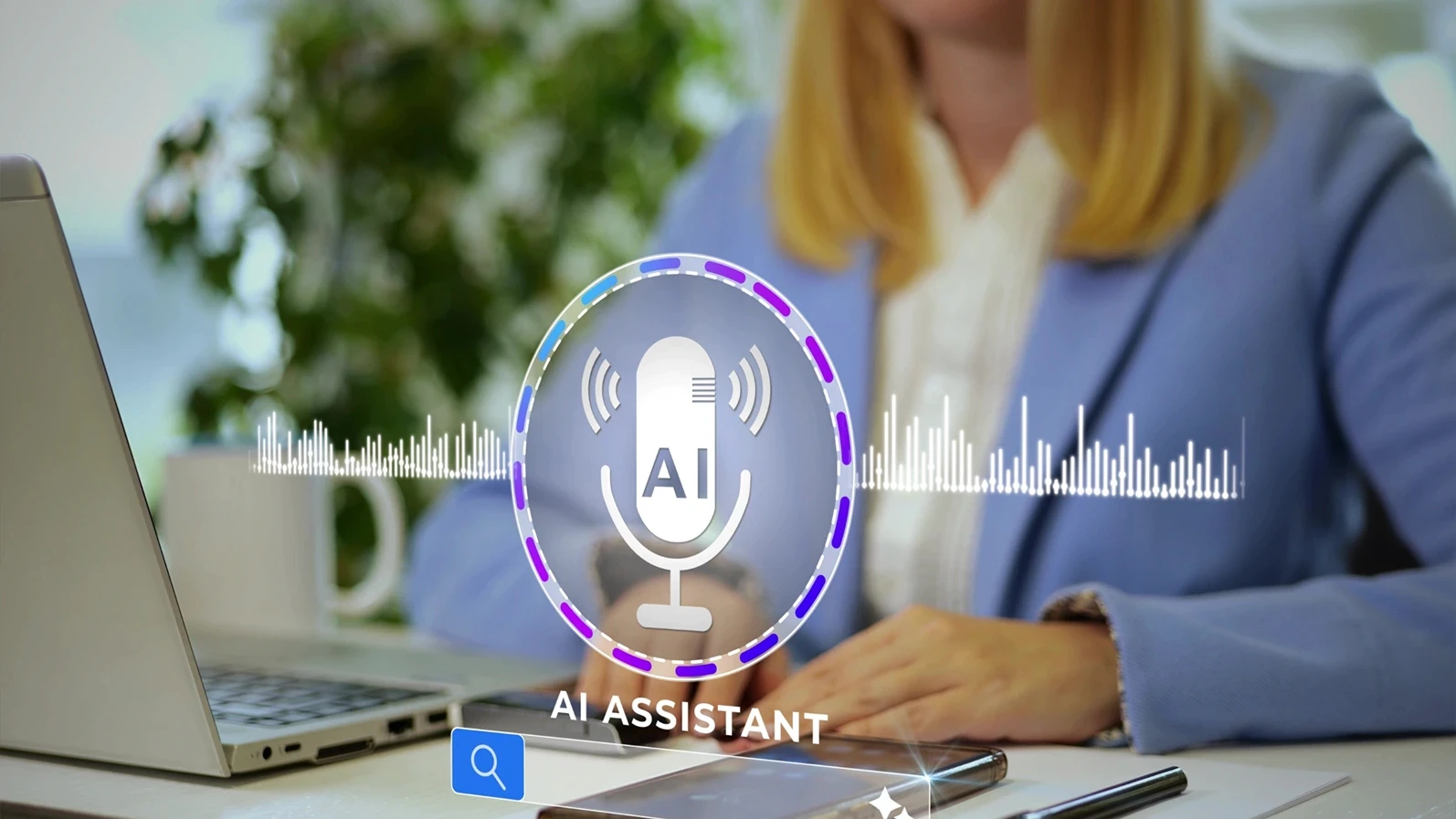
An automotive AI voice assistant can support several parts of the service journey.
It can help customers schedule an initial appointment, change an existing booking, ask routine questions, provide vehicle information, or reach the right employee. After-hours coverage can also give customers another way to interact with the dealership outside normal business hours.
Once the customer needs technical advice, repair recommendations, or a more detailed conversation, the service team can take over.
Is an AI Voice Agent Right for Your Dealership?
AI may be worth considering if the service department regularly sends callers to voicemail, experiences long hold times, receives a lot of after-hours calls, or has advisors spending a large part of the day on routine scheduling.
The dealership should also consider its current systems and workflows. The right AI solution should fit into the service operation and make routine call handling easier for both customers and employees.
Capture More Service Opportunities With an AI Voice Agent
A customer calling for service is already giving the dealership an opportunity. Capturing more revenue starts with making sure someone, or something, is ready to help when that call comes in.
Pam is an AI receptionist for dealerships that can answer service calls, help customers schedule appointments, capture information, and keep calls moving when employees are busy or the dealership is closed.
Want to see how that could work for the service department? Book a demo with Pam to see how an AI voice agent can help capture more service opportunities from the calls the dealership is already receiving.
Frequently Asked Questions
How can an AI voice agent increase dealership service revenue?
An AI voice agent can help increase dealership service revenue by answering more calls, reducing missed opportunities, supporting appointment scheduling, and capturing service demand after hours. More completed bookings can give the dealership more opportunities to generate repair orders.
Can an AI voice agent schedule dealership service appointments?
Yes. An AI voice agent can support dealership service scheduling when connected with compatible appointment and dealership systems. It can collect customer information, identify the requested service, check available times, and complete supported bookings.
Can an AI voice agent answer dealership calls after hours?
Yes. An AI voice agent can provide 24/7 call coverage, allowing customers to ask supported questions or use AI service scheduling after the service department has closed.
Can an AI voice agent handle multiple dealership calls at once?
Yes. AI voice agents can handle multiple supported conversations simultaneously, which can help dealerships manage peak call periods without creating long hold queues.
Does an AI voice agent replace dealership service advisors?
No. An AI receptionist for dealerships can handle repetitive calls, scheduling, and common questions while service advisors focus on customers who need technical knowledge, recommendations, or more personal assistance.
An AI voice agent can help dealerships capture more service revenue by answering more calls and turning more of those conversations into appointments. It can handle routine questions, support dealership service scheduling, and keep answering customers when service advisors are busy or the department is closed. This gives dealerships more opportunities to turn incoming service demand into actual repair orders.
So, where is that revenue being lost today, and how can AI help dealerships capture more of it?
Why Dealerships Lose Service Revenue From Phone Calls
Customers still call dealerships every day to schedule maintenance, ask about repairs, change appointments, or check service availability. The problem is that service teams cannot always answer every call when it comes in. That creates several points where potential service revenue can disappear.
Missed Calls Turn Into Missed Service Appointments
A customer calling about an oil change or brake inspection is already showing intent to schedule service. If nobody answers, that customer may leave a voicemail. They may also call another dealership or repair shop that answers immediately.
Either way, an unanswered call can quickly become a lost appointment.
Long Hold Times Create Customer Drop-Off
Long hold times can lead to abandoned calls, especially for customers trying to handle a simple task like booking or rescheduling an appointment.
Service Advisors Spend Too Much Time Answering Routine Calls
Service advisors already have plenty happening in the department. They are working with customers, technicians, repair orders, vehicle updates, and other day-to-day tasks.
When they also have to answer every routine scheduling call, something has to compete for their attention.
After-Hours Calls Often Go Straight to Voicemail
Customers may call after work, at night, or over the weekend. If those calls go straight to voicemail, the dealership has to wait until the next business day to follow up. By then, the customer may have already booked somewhere else.
How an AI Voice Agent Helps Dealerships Increase Service Revenue
An AI voice agent for car dealerships gives service departments another way to handle incoming demand.
It can answer calls, understand why customers are calling, respond to common questions, capture customer information, support AI service scheduling, and transfer conversations that need a service advisor.
The goal is to help more callers reach the next step while they are still interested.
1. An AI Voice Agent Captures More Inbound Service Calls
An automotive AI voice assistant can answer when service advisors are busy with customers or other tasks. It can handle routine requests immediately instead of sending callers to voicemail or leaving them on hold.
Handling Multiple Calls at the Same Time
A human employee can typically manage one phone conversation at a time. An AI system can handle multiple supported conversations simultaneously.
That can be especially useful during morning rushes, lunch hours, promotional campaigns, weather events, and other periods when call volume suddenly increases.
2. AI Voice Agents Convert More Calls Into Service Appointments
When connected with compatible scheduling systems, an AI voice agent can collect customer and vehicle information, identify the requested service, check availability, and help book an appointment during the same conversation.
Reducing Friction in Automotive Service Appointment Scheduling
Customers generally want to know when they can bring their vehicle in. Making them wait for a callback adds another step. With automated dealership service scheduling, customers can potentially go from asking about availability to having a confirmed appointment during one call.
3. AI Service Scheduling Captures After-Hours Revenue Opportunities
AI service scheduling can keep supported appointment booking available after employees have gone home. Customers can call when it is convenient for them and still move forward with their service request.
Turning Voicemail Into Booked Appointments
Traditional voicemail records the request for someone to handle tomorrow. An AI system can potentially collect the information, check available appointments, and complete the supported booking right then.
The dealership wakes up with an appointment on the calendar rather than another callback on the list.
4. AI Voice Agents Reduce Revenue Lost to Missed Calls
An AI system can provide another layer of call coverage when employees cannot answer, helping keep those customers engaged.
Why Speed-to-Response Matters for Service Customers
Customers calling about service are often ready to take action. If they cannot get help quickly, it is easy to try another shop.
Responding during that initial call gives the dealership a better chance of capturing the appointment while the customer is still looking to book.
5. An AI Voice Agent Lets Service Advisors Focus on Higher-Value Work
Does a service advisor really need to personally answer every call asking about business hours or available oil-change appointments?
An AI voice agent can handle many of those repetitive conversations. That gives advisors more time for customers who need repair explanations, vehicle updates, recommendations, or help with more complicated service concerns.
Supporting the Human Service Team With AI
An AI receptionist for dealerships works well as another layer of support for the existing team.
AI can handle routine calls and scheduling, while employees step in when a conversation needs judgment, technical knowledge, or a personal discussion.
6. AI Voice Agents Improve the Customer Service Experience
An AI voice agent can provide quick answers, consistent call handling, and access to scheduling even during busy periods.
Creating a Better First Impression for Service Customers
The phone call may be a customer's first interaction with the service department. Getting an immediate response and a clear next step can make the process feel much easier than waiting on hold or leaving a voicemail and hoping someone calls back.
7. AI Appointment Booking Helps Fill the Service Calendar
AI appointment booking can help dealerships capture more incoming scheduling requests and move customers onto the calendar while they are ready to book.
From Incoming Call to Confirmed Service Appointment
Depending on the dealership's systems, the process can be straightforward:
Customer calls → AI identifies the request → customer and vehicle information is collected → availability is checked → appointment is booked → customer receives confirmation.
Reducing the steps between the initial call and confirmation can make it easier to turn service inquiries into appointments.
8. Dealership Call Automation Helps Prevent Service Leads From Falling Through the Cracks
Busy dealerships can end up with missed calls, voicemail messages, callback lists, and customer requests spread across different employees.
Dealership call automation helps keep routine inquiries moving without requiring someone to manually follow up with every caller.
An AI voice agent can capture customer details, record the reason for the call, help with scheduling, or route the conversation to the appropriate employee.
9. AI Voice Agents Can Support Multi-Location Dealership Groups
Managing service calls becomes more complicated when a dealership group has several stores.
An AI voice agent can help identify which location the customer needs, follow that store's scheduling rules, and route calls to the correct department.
Creating a Consistent Customer Experience Across Dealership Locations
Each location can have different hours, appointment availability, services, and workflows.
AI can follow those individual rules while giving customers a similar experience when they call different dealerships within the group.
10. AI Voice Agents Provide Better Visibility Into Dealership Call Activity
How many service calls are coming in? How many are being missed? And how many actually turn into appointments?
An AI platform with reporting can give dealership managers a clearer view of call activity and booking outcomes.
Using Call Data to Improve Service Department Performance
Dealerships can track metrics such as:
Total service calls
Missed or abandoned calls
Appointments booked
After-hours calls
Call-to-appointment conversion
Common customer requests
Human transfers
These numbers can help managers see where customers are dropping off and where additional scheduling capacity may help.
How Much Service Revenue Can an AI Voice Agent Help a Dealership Capture?
There is no single revenue number that applies to every dealership. The opportunity depends on call volume, missed-call rates, appointment conversion, average repair order value, capacity, and how effectively the AI handles service requests.
A dealership can estimate the opportunity using its own numbers.
Simple Service Revenue Opportunity Example
Suppose a dealership misses 100 service calls in a month. If 20 of those callers could have become appointments, that represents 20 potential repair orders the dealership had an opportunity to capture.
The actual revenue would depend on how many appointments are completed and the average repair order value.
Looking at real dealership call and service data gives managers a much more useful estimate than relying on a generic industry number.
AI Voice Agent vs. Traditional Dealership Phone Handling
Both AI and dealership employees have a role in the service experience. The main difference is how each handles volume and routine requests.
AI Voice Agent | Traditional Phone Handling |
Can provide 24/7 call coverage | Usually limited to staffed hours |
Can handle multiple supported calls at once | Employees generally handle one call at a time |
Can automate routine scheduling | Scheduling requires staff time |
Can support after-hours booking | Calls may go to voicemail |
Provides consistent call handling | Experience can vary based on staffing and workload |
Transfers complex conversations to employees | Employees handle both routine and complex calls |
For many dealerships, the practical approach is to use AI for repetitive calls while keeping service advisors available for conversations that need them.
What to Look for in an AI Voice Agent for Your Dealership
Not every AI phone system is built around dealership workflows. Before choosing one, dealerships should look closely at what the platform can actually handle.
Automotive-Specific Conversational AI
An AI voice agent for car dealerships should understand common automotive conversations, including service requests, vehicle information, appointment questions, and dealership terminology.
Service Appointment Scheduling Capabilities
The system should support AI appointment booking and work with the dealership's scheduling process rather than simply collecting a callback request.
Dealership System Integrations
Integrations can help the AI access scheduling information and keep customer details connected with the systems the dealership already uses.
Call Routing and Human Escalation
Some conversations need an employee.
The AI should recognize those situations and route or transfer the caller to the right person or department when appropriate.
Reporting and Call Analytics
Managers should be able to see what the AI is handling, what customers are calling about, and how those conversations are turning into appointments.
Ability to Handle Peak Call Volume
The system should be able to manage increases in call volume without creating the same hold-time problems dealerships are trying to solve.
Where AI Voice Agents Fit Into the Dealership Service Customer Journey
An automotive AI voice assistant can support several parts of the service journey.
It can help customers schedule an initial appointment, change an existing booking, ask routine questions, provide vehicle information, or reach the right employee. After-hours coverage can also give customers another way to interact with the dealership outside normal business hours.
Once the customer needs technical advice, repair recommendations, or a more detailed conversation, the service team can take over.
Is an AI Voice Agent Right for Your Dealership?
AI may be worth considering if the service department regularly sends callers to voicemail, experiences long hold times, receives a lot of after-hours calls, or has advisors spending a large part of the day on routine scheduling.
The dealership should also consider its current systems and workflows. The right AI solution should fit into the service operation and make routine call handling easier for both customers and employees.
Capture More Service Opportunities With an AI Voice Agent
A customer calling for service is already giving the dealership an opportunity. Capturing more revenue starts with making sure someone, or something, is ready to help when that call comes in.
Pam is an AI receptionist for dealerships that can answer service calls, help customers schedule appointments, capture information, and keep calls moving when employees are busy or the dealership is closed.
Want to see how that could work for the service department? Book a demo with Pam to see how an AI voice agent can help capture more service opportunities from the calls the dealership is already receiving.
Frequently Asked Questions
How can an AI voice agent increase dealership service revenue?
An AI voice agent can help increase dealership service revenue by answering more calls, reducing missed opportunities, supporting appointment scheduling, and capturing service demand after hours. More completed bookings can give the dealership more opportunities to generate repair orders.
Can an AI voice agent schedule dealership service appointments?
Yes. An AI voice agent can support dealership service scheduling when connected with compatible appointment and dealership systems. It can collect customer information, identify the requested service, check available times, and complete supported bookings.
Can an AI voice agent answer dealership calls after hours?
Yes. An AI voice agent can provide 24/7 call coverage, allowing customers to ask supported questions or use AI service scheduling after the service department has closed.
Can an AI voice agent handle multiple dealership calls at once?
Yes. AI voice agents can handle multiple supported conversations simultaneously, which can help dealerships manage peak call periods without creating long hold queues.
Does an AI voice agent replace dealership service advisors?
No. An AI receptionist for dealerships can handle repetitive calls, scheduling, and common questions while service advisors focus on customers who need technical knowledge, recommendations, or more personal assistance.
Ready to See Pam in Action?
Book a demo today and see why hundreds of dealerships hire Pam to capture more revenue, day and night.
Ready to See Pam in Action?
Book a demo today and see why hundreds of dealerships hire Pam to capture more revenue, day and night.
Ready to See Pam in Action?
Book a demo today and see why hundreds of dealerships hire Pam to capture more revenue, day and night.
Pam is the AI Workforce for Car Dealerships.
© 2026 Dream Lab AI Inc. All Rights Reserved.