Why Every Missed Dealership Call Is a Potential Lost Appointment
Why Every Missed Dealership Call Is a Potential Lost Appointment
Why Every Missed Dealership Call Is a Potential Lost Appointment
Learn how a missed dealership call can lead to lost appointments, revenue, and customers, and how better call handling can help recover opportunities.
Learn how a missed dealership call can lead to lost appointments, revenue, and customers, and how better call handling can help recover opportunities.
Basics
Basics
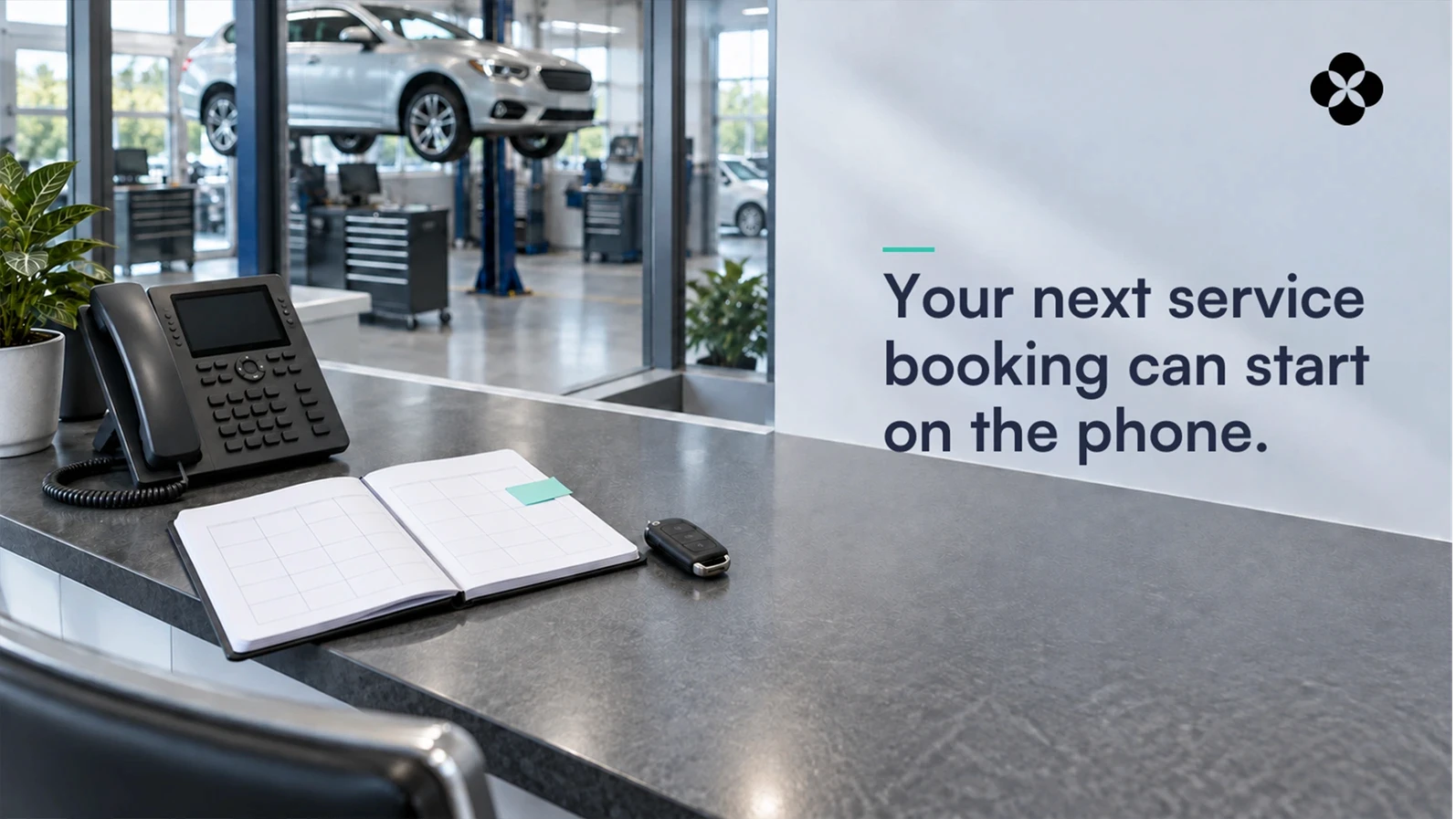
A missed dealership call can quickly turn into a missed appointment. Customers usually call because they are ready to schedule service, ask about a vehicle, check parts availability, or get help with something specific. If no one answers, that opportunity can move somewhere else just as quickly.
To understand why missed calls can be so costly, it helps to look at what usually happens after a customer cannot get through.
What Happens When a Dealership Misses a Customer Call?
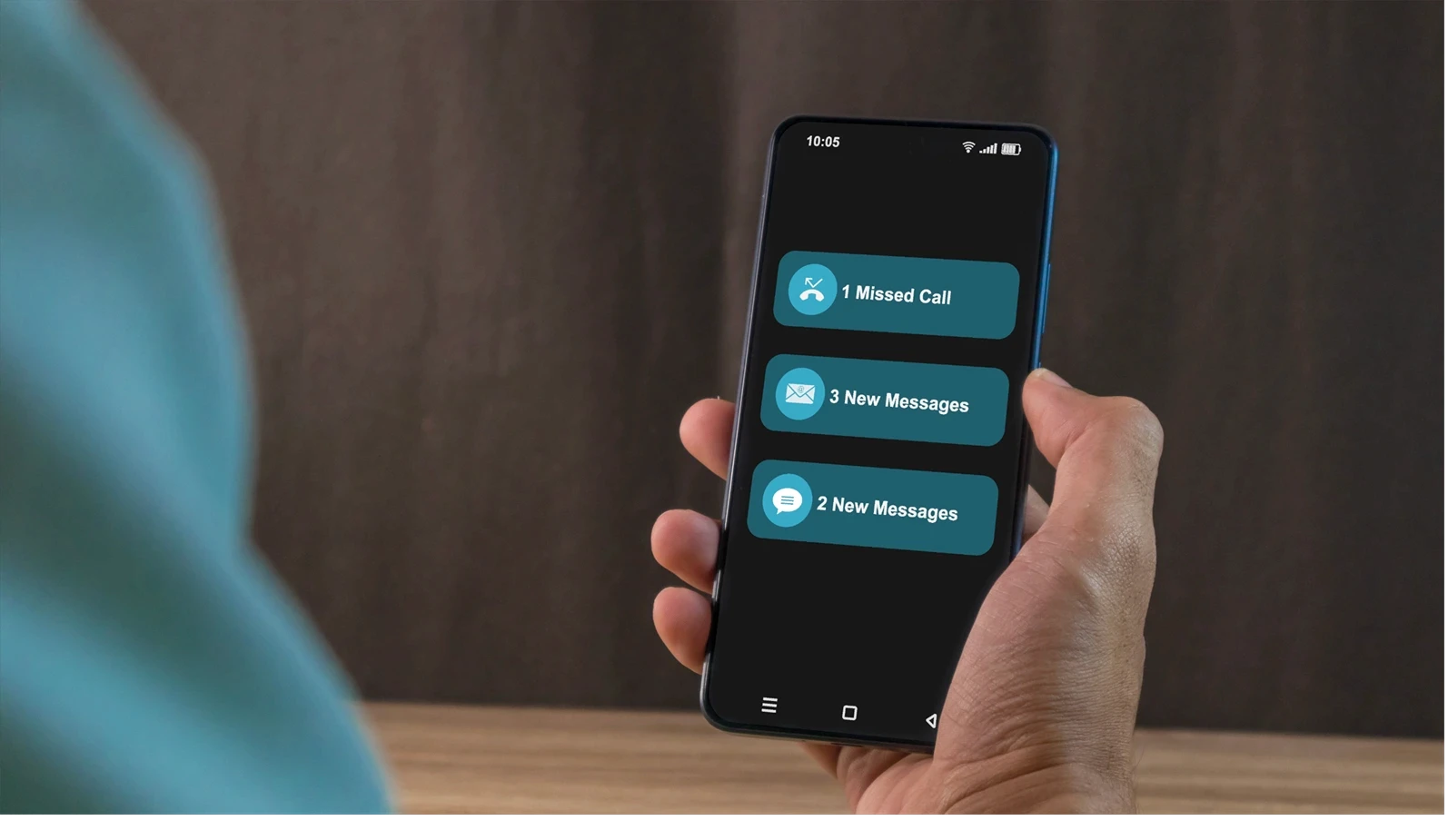
Most dealership calls have a purpose behind them. Customers may be trying to schedule service, ask about a vehicle, check on a part, or get help with an existing appointment.
When nobody answers, that intent does not disappear. The customer simply has to decide what to do next.
Customers Rarely Want to Wait for a Callback
A voicemail may seem like a reasonable backup, but customers often want help while they are already on the phone. If they have to leave a message and wait for someone to call back, they may decide to keep looking. That is especially common when the request is simple, such as checking availability or booking routine service.
A Missed Dealership Call Can Become a Competitor's Appointment
If one dealership does not answer, another dealership or independent service center may be only one call away. A missed dealership call can quickly turn into an appointment somewhere else.
Missed Calls Create Gaps in the Customer Experience
Repeated missed calls, long waits, or unanswered voicemails can make it harder for customers to get what they need. That can affect how easy the dealership feels to work with before the customer ever walks through the door.
How a Missed Dealership Call Can Lead to Lost Revenue
Missed calls can affect several parts of the dealership, not only the service department.
Lost Service Appointment Opportunities
A customer calling about an oil change, brake inspection, tire service, or scheduled maintenance is already showing intent to book.
If that call goes unanswered, the dealership may lose the repair order along with any future service relationship that could have followed.
Lost Vehicle Sales Opportunities
A customer may be calling about vehicle availability, financing, a trade-in, or a test drive. If nobody answers, that lead may contact another dealership that responds faster.
Lost Parts and Other Dealership Revenue
Customers also call about parts availability, accessories, recalls, warranty questions, and other dealership services.
Those opportunities can disappear for the same reason: the customer could not reach someone when they were ready to act.
Why Dealerships Miss Incoming Calls
Missed calls do not always mean the team is doing something wrong. Often, they happen because employees are already busy.
Still, understanding where calls are being lost makes it easier to improve dealership missed call management.
High Call Volume During Peak Hours
Morning rushes, lunch periods, promotions, weather events, and seasonal service demand can create sudden spikes in calls. Even a well-staffed dealership can struggle when several customers call at once.
Customers Calling After Business Hours
Customers may call in the evening, early in the morning, or over the weekend. Without after-hours coverage, those calls often go straight to voicemail.
Service Advisors Are Busy Helping In-Person Customers
Service advisors have vehicles arriving, repair orders to manage, technicians to coordinate with, and customers standing in front of them. Answering every incoming call at the same time can be difficult.
Long Hold Times and Call Transfers
Customers can hang up during long holds or after being transferred several times without reaching the right person.
Limited Front-Desk Staffing
A small team can only handle so many calls at once. When the receptionist or BDC staff is already on the phone, additional callers may be sent to voicemail or placed into a queue.
The Real Cost of Missed Calls at Dealerships
The cost of missed calls at dealerships depends on more than the number of unanswered calls.
The bigger question is what those callers were trying to do.
If 50 missed calls include customers ready to schedule service, book test drives, or ask about available vehicles, the dealership may be losing real revenue opportunities. The effect can grow when the same problem happens every day.
Missed calls can also create more work for employees. Staff may need to return voicemails, track down customer information, and repeat conversations that could have been completed during the original call.
Why Dealership Missed Call Management Matters
Dealership missed-call management is really about ensuring customer intent reaches the right next step. The sooner the dealership responds, the better its chances of keeping that opportunity.
Every Incoming Call Represents Customer Intent
Customers may be ready to schedule, buy, ask a specific question, or get help with an existing service need. That makes each incoming call worth paying attention to.
Faster Responses Improve Appointment Conversion
Quick automotive call handling can move the customer directly into dealership appointment scheduling, rather than adding another callback to the process.
Better Call Handling Supports Customer Retention
A smoother phone experience can make routine interactions easier and reduce the reasons customers look elsewhere.
How Dealerships Can Reduce Missed Calls
Dealerships can review call volume by hour, identify departments with frequent missed or abandoned calls, improve routing, adjust staffing during peak periods, and create clear callback processes.
They can also use automation to provide coverage when employees are unavailable.
How an AI Receptionist for Dealerships Helps Capture Missed Opportunities
An AI receptionist for dealerships can answer calls when staff members are already busy, after hours, or during periods of high call volume.
It can determine why the customer is calling, answer supported questions, collect contact and vehicle information, help with dealership appointment scheduling, or route the caller to the appropriate department.
That gives dealerships another way to capture opportunities that might otherwise end in voicemail.
For example, a customer calling after hours to book an oil change may be able to check availability and schedule the visit during the same conversation rather than waiting until the next morning.
AI Receptionist vs. Traditional Missed Call Management
Both traditional processes and AI can help dealerships manage missed calls, but they handle the problem differently.
AI Receptionist | Traditional Missed Call Management |
Can answer calls 24/7 | Often depends on staffed hours |
Can handle multiple supported calls at once | Staff handles a limited number of calls |
Can respond immediately | Customers may wait for callbacks |
Can collect customer information automatically | Staff must review voicemail and return calls |
Can support appointment scheduling | Booking may require a separate conversation |
Can transfer complex calls to employees | Employees manage the entire conversation |
The strongest approach may combine both. AI can handle routine conversations and immediate response, while staff takes over when customers need more detailed help.
How Better Call Handling Can Increase Dealership Appointment Scheduling
Improving call handling reduces the number of steps between customer interest and a confirmed appointment.
A customer who reaches the dealership immediately can ask a question, check availability, and move into dealership appointment scheduling during the same interaction. That can be especially useful for service departments, where many calls involve predictable requests such as oil changes, maintenance, tire service, or appointment changes.
Fewer missed calls and shorter waits mean more chances to turn those conversations into booked visits.
What Dealerships Should Look for in a Missed Call Solution
Dealerships should look for 24/7 coverage, natural conversations, support for multiple simultaneous calls, lead capture, appointment scheduling, intelligent routing, human transfers, reporting, and integrations with existing dealership systems.
Managers should also be able to see what happens after the call. Useful reporting can show which calls became appointments, which requests required staff help, and where customers are still dropping off.
Turning Every Missed Dealership Call Into an Appointment Opportunity

Dealerships may never eliminate every busy moment, but customers still expect a response when they call.
Pam gives dealerships an AI-powered way to keep those conversations moving. As an AI receptionist for dealerships, Pam can answer incoming calls, capture customer information, help with appointment scheduling, and provide coverage when employees are busy or the dealership is closed.
A missed dealership call does not have to become a lost customer. Book a demo with Pam to see how better call coverage can help the dealership capture more of the opportunities already coming through the phone.
Frequently Asked Questions
How much business can a dealership lose from missed calls?
The amount depends on call volume, customer intent, conversion rates, and the value of each appointment or lead. Missed calls can represent lost service visits, vehicle sales opportunities, parts revenue, and future customer relationships.
Why do customers call dealerships instead of booking online?
Customers may call because they have questions, need help choosing a service, want to confirm availability, or prefer speaking through their request rather than using an online form. Phone calls are also useful for more complicated service or sales needs.
What should dealerships do with missed calls?
Dealerships should respond as quickly as possible, capture the reason for the call, and move the customer toward the appropriate next step. Dealership missed call management can include callbacks, improved routing, after-hours coverage, and AI-assisted call handling.
Can an AI receptionist answer dealership calls after hours?
Yes. An AI receptionist for dealerships can provide 24/7 coverage for supported conversations, allowing customers to ask questions, share information, or schedule appointments after normal business hours.
Can AI schedule dealership service appointments?
Yes. AI can support dealership appointment scheduling when connected with compatible scheduling systems. It can collect customer and vehicle information, check available times, and complete supported service bookings.
A missed dealership call can quickly turn into a missed appointment. Customers usually call because they are ready to schedule service, ask about a vehicle, check parts availability, or get help with something specific. If no one answers, that opportunity can move somewhere else just as quickly.
To understand why missed calls can be so costly, it helps to look at what usually happens after a customer cannot get through.
What Happens When a Dealership Misses a Customer Call?
Most dealership calls have a purpose behind them. Customers may be trying to schedule service, ask about a vehicle, check on a part, or get help with an existing appointment.
When nobody answers, that intent does not disappear. The customer simply has to decide what to do next.
Customers Rarely Want to Wait for a Callback
A voicemail may seem like a reasonable backup, but customers often want help while they are already on the phone. If they have to leave a message and wait for someone to call back, they may decide to keep looking. That is especially common when the request is simple, such as checking availability or booking routine service.
A Missed Dealership Call Can Become a Competitor's Appointment
If one dealership does not answer, another dealership or independent service center may be only one call away. A missed dealership call can quickly turn into an appointment somewhere else.
Missed Calls Create Gaps in the Customer Experience
Repeated missed calls, long waits, or unanswered voicemails can make it harder for customers to get what they need. That can affect how easy the dealership feels to work with before the customer ever walks through the door.
How a Missed Dealership Call Can Lead to Lost Revenue
Missed calls can affect several parts of the dealership, not only the service department.
Lost Service Appointment Opportunities
A customer calling about an oil change, brake inspection, tire service, or scheduled maintenance is already showing intent to book.
If that call goes unanswered, the dealership may lose the repair order along with any future service relationship that could have followed.
Lost Vehicle Sales Opportunities
A customer may be calling about vehicle availability, financing, a trade-in, or a test drive. If nobody answers, that lead may contact another dealership that responds faster.
Lost Parts and Other Dealership Revenue
Customers also call about parts availability, accessories, recalls, warranty questions, and other dealership services.
Those opportunities can disappear for the same reason: the customer could not reach someone when they were ready to act.
Why Dealerships Miss Incoming Calls
Missed calls do not always mean the team is doing something wrong. Often, they happen because employees are already busy.
Still, understanding where calls are being lost makes it easier to improve dealership missed call management.
High Call Volume During Peak Hours
Morning rushes, lunch periods, promotions, weather events, and seasonal service demand can create sudden spikes in calls. Even a well-staffed dealership can struggle when several customers call at once.
Customers Calling After Business Hours
Customers may call in the evening, early in the morning, or over the weekend. Without after-hours coverage, those calls often go straight to voicemail.
Service Advisors Are Busy Helping In-Person Customers
Service advisors have vehicles arriving, repair orders to manage, technicians to coordinate with, and customers standing in front of them. Answering every incoming call at the same time can be difficult.
Long Hold Times and Call Transfers
Customers can hang up during long holds or after being transferred several times without reaching the right person.
Limited Front-Desk Staffing
A small team can only handle so many calls at once. When the receptionist or BDC staff is already on the phone, additional callers may be sent to voicemail or placed into a queue.
The Real Cost of Missed Calls at Dealerships
The cost of missed calls at dealerships depends on more than the number of unanswered calls.
The bigger question is what those callers were trying to do.
If 50 missed calls include customers ready to schedule service, book test drives, or ask about available vehicles, the dealership may be losing real revenue opportunities. The effect can grow when the same problem happens every day.
Missed calls can also create more work for employees. Staff may need to return voicemails, track down customer information, and repeat conversations that could have been completed during the original call.
Why Dealership Missed Call Management Matters
Dealership missed-call management is really about ensuring customer intent reaches the right next step. The sooner the dealership responds, the better its chances of keeping that opportunity.
Every Incoming Call Represents Customer Intent
Customers may be ready to schedule, buy, ask a specific question, or get help with an existing service need. That makes each incoming call worth paying attention to.
Faster Responses Improve Appointment Conversion
Quick automotive call handling can move the customer directly into dealership appointment scheduling, rather than adding another callback to the process.
Better Call Handling Supports Customer Retention
A smoother phone experience can make routine interactions easier and reduce the reasons customers look elsewhere.
How Dealerships Can Reduce Missed Calls
Dealerships can review call volume by hour, identify departments with frequent missed or abandoned calls, improve routing, adjust staffing during peak periods, and create clear callback processes.
They can also use automation to provide coverage when employees are unavailable.
How an AI Receptionist for Dealerships Helps Capture Missed Opportunities
An AI receptionist for dealerships can answer calls when staff members are already busy, after hours, or during periods of high call volume.
It can determine why the customer is calling, answer supported questions, collect contact and vehicle information, help with dealership appointment scheduling, or route the caller to the appropriate department.
That gives dealerships another way to capture opportunities that might otherwise end in voicemail.
For example, a customer calling after hours to book an oil change may be able to check availability and schedule the visit during the same conversation rather than waiting until the next morning.
AI Receptionist vs. Traditional Missed Call Management
Both traditional processes and AI can help dealerships manage missed calls, but they handle the problem differently.
AI Receptionist | Traditional Missed Call Management |
Can answer calls 24/7 | Often depends on staffed hours |
Can handle multiple supported calls at once | Staff handles a limited number of calls |
Can respond immediately | Customers may wait for callbacks |
Can collect customer information automatically | Staff must review voicemail and return calls |
Can support appointment scheduling | Booking may require a separate conversation |
Can transfer complex calls to employees | Employees manage the entire conversation |
The strongest approach may combine both. AI can handle routine conversations and immediate response, while staff takes over when customers need more detailed help.
How Better Call Handling Can Increase Dealership Appointment Scheduling
Improving call handling reduces the number of steps between customer interest and a confirmed appointment.
A customer who reaches the dealership immediately can ask a question, check availability, and move into dealership appointment scheduling during the same interaction. That can be especially useful for service departments, where many calls involve predictable requests such as oil changes, maintenance, tire service, or appointment changes.
Fewer missed calls and shorter waits mean more chances to turn those conversations into booked visits.
What Dealerships Should Look for in a Missed Call Solution
Dealerships should look for 24/7 coverage, natural conversations, support for multiple simultaneous calls, lead capture, appointment scheduling, intelligent routing, human transfers, reporting, and integrations with existing dealership systems.
Managers should also be able to see what happens after the call. Useful reporting can show which calls became appointments, which requests required staff help, and where customers are still dropping off.
Turning Every Missed Dealership Call Into an Appointment Opportunity
Dealerships may never eliminate every busy moment, but customers still expect a response when they call.
Pam gives dealerships an AI-powered way to keep those conversations moving. As an AI receptionist for dealerships, Pam can answer incoming calls, capture customer information, help with appointment scheduling, and provide coverage when employees are busy or the dealership is closed.
A missed dealership call does not have to become a lost customer. Book a demo with Pam to see how better call coverage can help the dealership capture more of the opportunities already coming through the phone.
Frequently Asked Questions
How much business can a dealership lose from missed calls?
The amount depends on call volume, customer intent, conversion rates, and the value of each appointment or lead. Missed calls can represent lost service visits, vehicle sales opportunities, parts revenue, and future customer relationships.
Why do customers call dealerships instead of booking online?
Customers may call because they have questions, need help choosing a service, want to confirm availability, or prefer speaking through their request rather than using an online form. Phone calls are also useful for more complicated service or sales needs.
What should dealerships do with missed calls?
Dealerships should respond as quickly as possible, capture the reason for the call, and move the customer toward the appropriate next step. Dealership missed call management can include callbacks, improved routing, after-hours coverage, and AI-assisted call handling.
Can an AI receptionist answer dealership calls after hours?
Yes. An AI receptionist for dealerships can provide 24/7 coverage for supported conversations, allowing customers to ask questions, share information, or schedule appointments after normal business hours.
Can AI schedule dealership service appointments?
Yes. AI can support dealership appointment scheduling when connected with compatible scheduling systems. It can collect customer and vehicle information, check available times, and complete supported service bookings.
Ready to See Pam in Action?
Book a demo today and see why hundreds of dealerships hire Pam to capture more revenue, day and night.
Ready to See Pam in Action?
Book a demo today and see why hundreds of dealerships hire Pam to capture more revenue, day and night.
Ready to See Pam in Action?
Book a demo today and see why hundreds of dealerships hire Pam to capture more revenue, day and night.
Pam is the AI Workforce for Car Dealerships.
© 2026 Dream Lab AI Inc. All Rights Reserved.