Understanding the Growing Influence Behind the Impact of AI in the Automotive Industry
Understanding the Growing Influence Behind the Impact of AI in the Automotive Industry
Understanding the Growing Influence Behind the Impact of AI in the Automotive Industry
See how artificial intelligence is changing automotive operations, sales, and service today, with real benefits, practical use cases, and future-ready insights.
See how artificial intelligence is changing automotive operations, sales, and service today, with real benefits, practical use cases, and future-ready insights.
Artificial intelligence is showing up everywhere in automotive, but what does it actually mean for day-to-day operations? Many dealership owners, managers, and service leaders hear about AI tools constantly and wonder how much of it truly applies to their business. The impact of AI in the automotive industry is no longer theoretical. It is already changing how teams work, how customers interact with brands, and how decisions get made across the board.
Today, AI in automotive touches manufacturing, sales, service departments, and customer communication. From smarter forecasting to automated follow-ups, artificial intelligence in the automotive industry helps businesses move faster and respond better. As adoption grows, the benefits of AI in the automotive industry become clearer, especially for teams that want efficiency without adding complexity.
This article takes a practical look at artificial intelligence automotive tools, how they shape the artificial intelligence in automotive market, and why the future of AI in automotive industry strategy matters for businesses that want to stay competitive rather than play catch-up.
Understanding Artificial Intelligence in the Automotive Industry
Artificial intelligence in the automotive industry refers to systems that learn from data, recognize patterns, and make decisions with minimal human input. In practical terms, this means software that can predict customer behavior, automate routine tasks, analyze performance trends, and respond in real time.
Unlike traditional automation, artificial intelligence automotive solutions adapt over time. The more data they process, the better they become at supporting sales teams, service advisors, and managers. This adaptive capability is a major reason AI in automotive industry adoption continues to accelerate.
The Current Impact of AI in the Automotive Industry
The impact of AI in the automotive industry is already part of everyday operations for many dealerships and service centers. AI helps teams respond to leads quicker, keep service schedules organized, and stay on top of follow-ups without constant manual effort.
Across sales floors and service departments, AI in automotive systems handle incoming inquiries, highlight the most promising leads, and help forecast demand with greater accuracy. These tools are not meant to replace people. They support teams by removing busywork, cutting down on missed opportunities, and freeing up time for conversations and decisions that actually move the business forward.
Key Areas Where AI Is Transforming the Automotive Industry
AI does not affect just one part of the business. Its influence spreads across operations, customer experience, and decision-making.
AI in Automotive Manufacturing and Production
In manufacturing, artificial intelligence in automotive industry environments improves quality control and reduces downtime. AI-powered systems detect defects earlier, optimize production schedules, and predict equipment maintenance needs before issues occur.
AI in Vehicle Design and Engineering
Design teams use AI to simulate performance, test safety features, and refine materials faster than traditional methods allow. These tools shorten development cycles and support smarter innovation in the artificial intelligence in the automotive market.
AI in Automotive Sales and Dealership Operations
Sales departments benefit from AI-driven lead scoring, automated follow-ups, and customer insights. AI highlights which prospects show buying intent and which need nurturing, improving close rates without increasing workload.
AI in Service Departments and Fixed Operations
Service teams rely on AI for appointment scheduling, predictive maintenance alerts, and customer communication. These systems help reduce no-shows and improve repair planning, delivering measurable benefits of AI in automotive industry operations.
AI in Customer Experience and Retention
AI chat systems, smart reminders, and personalized messaging help customers feel supported without overwhelming staff. This consistent communication improves loyalty and retention across the customer lifecycle.
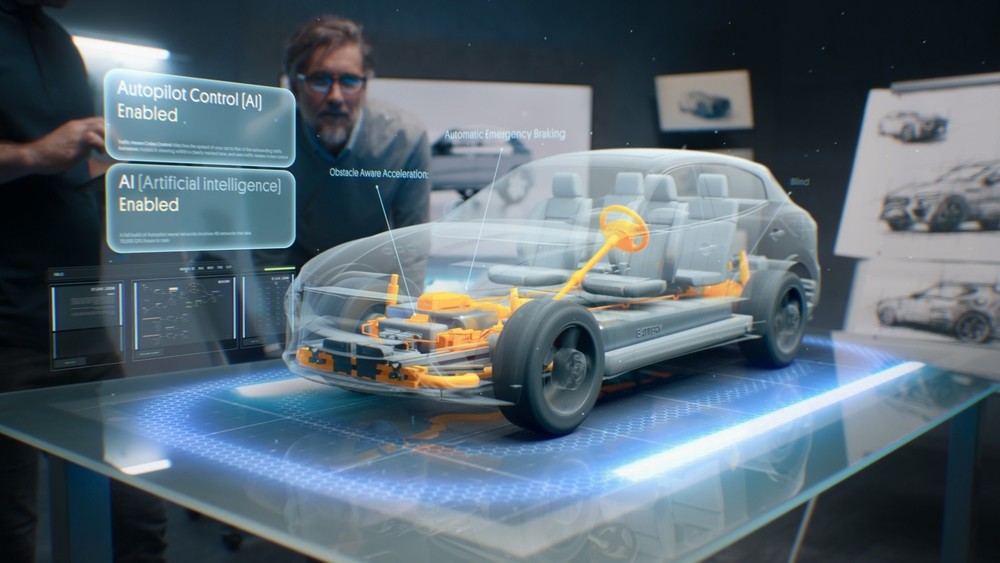
Strategic Business Benefits of AI in the Automotive Industry
AI does a lot more than speed things up, because it also changes how automotive businesses operate day to day and how leaders make decisions with real numbers in front of them.
Increased Operational Efficiency
AI removes repetitive tasks such as data entry, appointment reminders, and lead routing. Teams operate faster with fewer manual steps.
Revenue Growth and Conversion Improvement
Smarter targeting and follow-ups improve conversion rates. AI ensures opportunities do not slip through the cracks.
Reduced Costs and Administrative Overhead
Automation lowers administrative burden, helping businesses scale without expanding headcount.
Better Decision-Making Through Real-Time Insights
AI dashboards surface trends instantly, helping leaders act with confidence instead of relying on delayed reports.
How AI Is Changing Automotive Workforce Roles
AI reshapes roles rather than replacing them. Employees spend less time on manual processes and more time building relationships, solving problems, and improving customer satisfaction. This shift supports sustainable growth while reducing burnout.
The Role of AI in Predictive Analytics and Forecasting
Predictive analytics is one of the strongest advantages of artificial intelligence in automotive industry adoption. AI analyzes historical data to forecast inventory needs, service demand, and sales cycles, allowing businesses to plan ahead with greater accuracy.
Challenges and Risks of AI Adoption in the Automotive Industry
AI adoption requires careful planning.
Data Quality and Integration Issues
AI depends on accurate data. Inconsistent systems limit effectiveness without proper integration.
Change Management and User Adoption
Teams need training and clear workflows to trust AI-supported processes.
Cost Concerns and ROI Measurement
Businesses should align AI investments with measurable goals to track returns effectively.
Ethical, Privacy, and Compliance Considerations
Responsible AI use includes secure data handling and compliance with privacy regulations.
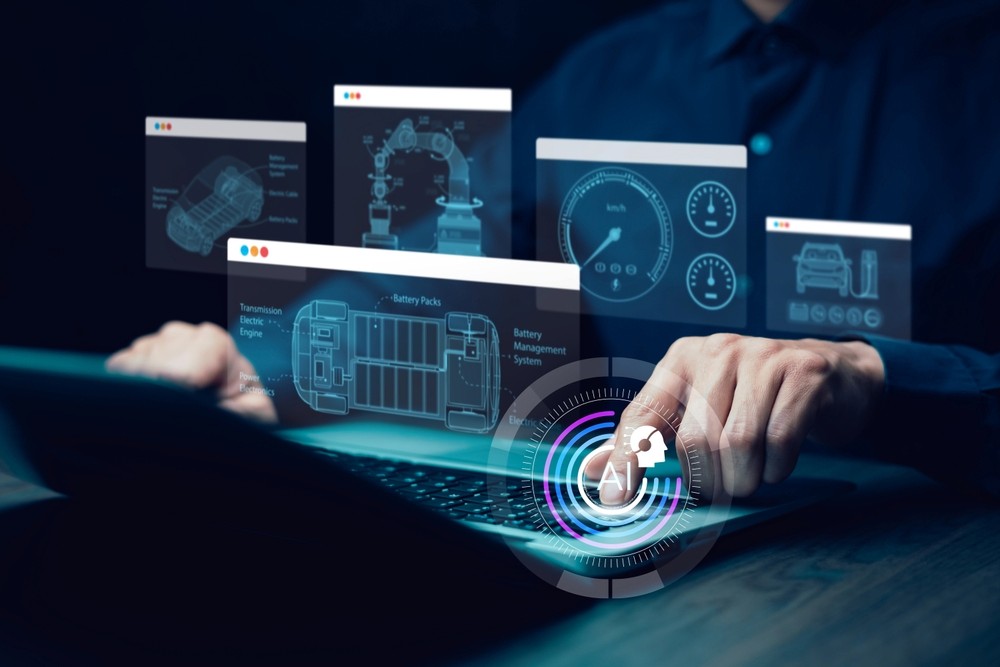
Best Practices for Successfully Implementing AI in Automotive Businesses
Successful adoption starts with clear goals, clean data, staff training, and phased implementation. Choosing solutions designed for automotive workflows helps ensure smoother integration.
The Future Impact of AI on the Automotive Industry
The future of AI in automotive industry adoption points toward deeper personalization, real-time analytics, and smarter automation. Businesses that embrace AI early position themselves for sustained relevance as customer expectations evolve.
Why Automotive Businesses That Delay AI Adoption Risk Falling Behind
Competitors using AI respond faster, communicate better, and operate leaner. Falling behind in AI in automotive industry adoption creates gaps that become harder to close over time.
Frequently Asked Questions About the Impact of AI in the Automotive Industry
Ready to integrate AI in your automotive business? Here are some of the most asked questions about AI in the automotive industry:
What is the impact of AI in the automotive industry today?
AI improves efficiency, customer experience, and decision-making across sales, service, and operations.
How is AI improving dealership operations?
AI automates lead handling, follow-ups, scheduling, and reporting, allowing teams to focus on customers.
Can AI increase profitability for automotive businesses?
Yes. Better conversions, reduced costs, and smarter forecasting support stronger margins.
What are the biggest challenges of using AI in automotive?
Data quality, adoption, and integration require planning and leadership support.
Is AI replacing jobs in the automotive industry?
AI shifts responsibilities rather than eliminating roles, allowing employees to focus on higher-impact work.
How can small and mid-sized dealerships benefit from AI?
AI levels the playing field by providing enterprise-level insights without enterprise-level staffing.
Driving Smarter Automotive Growth With AI
The impact of AI in the automotive industry keeps showing up in real, measurable ways. Dealerships feel it in faster response times, fuller service bays, and fewer missed opportunities. AI no longer sits in the background. It plays an active role in how teams communicate, schedule, and follow up every single day.
Pam matches how dealerships actually operate. As the fastest growing voice AI for car dealerships, our system stays on around the clock answering calls, booking service appointments, routing sales inquiries, and following up so no customer slips through the cracks. Instead of adding pressure to already busy teams, Pam removes it by handling repetitive calls and scheduling tasks automatically.
Our voice AI connects directly to dealership systems, fills open service slots, captures every sales lead, and gives teams one clear place to track unresolved calls, open requests, and follow-ups.
Automotive leaders preparing for the future of AI in the automotive industry do not need tools that complicate workflows. They need technology that supports staff, improves customer experience, and drives revenue without friction. The next step starts with a conversation. Reach out through our contact page and see how Pam keeps every call, appointment, and opportunity moving forward.
Artificial intelligence is showing up everywhere in automotive, but what does it actually mean for day-to-day operations? Many dealership owners, managers, and service leaders hear about AI tools constantly and wonder how much of it truly applies to their business. The impact of AI in the automotive industry is no longer theoretical. It is already changing how teams work, how customers interact with brands, and how decisions get made across the board.
Today, AI in automotive touches manufacturing, sales, service departments, and customer communication. From smarter forecasting to automated follow-ups, artificial intelligence in the automotive industry helps businesses move faster and respond better. As adoption grows, the benefits of AI in the automotive industry become clearer, especially for teams that want efficiency without adding complexity.
This article takes a practical look at artificial intelligence automotive tools, how they shape the artificial intelligence in automotive market, and why the future of AI in automotive industry strategy matters for businesses that want to stay competitive rather than play catch-up.
Understanding Artificial Intelligence in the Automotive Industry
Artificial intelligence in the automotive industry refers to systems that learn from data, recognize patterns, and make decisions with minimal human input. In practical terms, this means software that can predict customer behavior, automate routine tasks, analyze performance trends, and respond in real time.
Unlike traditional automation, artificial intelligence automotive solutions adapt over time. The more data they process, the better they become at supporting sales teams, service advisors, and managers. This adaptive capability is a major reason AI in automotive industry adoption continues to accelerate.
The Current Impact of AI in the Automotive Industry
The impact of AI in the automotive industry is already part of everyday operations for many dealerships and service centers. AI helps teams respond to leads quicker, keep service schedules organized, and stay on top of follow-ups without constant manual effort.
Across sales floors and service departments, AI in automotive systems handle incoming inquiries, highlight the most promising leads, and help forecast demand with greater accuracy. These tools are not meant to replace people. They support teams by removing busywork, cutting down on missed opportunities, and freeing up time for conversations and decisions that actually move the business forward.
Key Areas Where AI Is Transforming the Automotive Industry
AI does not affect just one part of the business. Its influence spreads across operations, customer experience, and decision-making.
AI in Automotive Manufacturing and Production
In manufacturing, artificial intelligence in automotive industry environments improves quality control and reduces downtime. AI-powered systems detect defects earlier, optimize production schedules, and predict equipment maintenance needs before issues occur.
AI in Vehicle Design and Engineering
Design teams use AI to simulate performance, test safety features, and refine materials faster than traditional methods allow. These tools shorten development cycles and support smarter innovation in the artificial intelligence in the automotive market.
AI in Automotive Sales and Dealership Operations
Sales departments benefit from AI-driven lead scoring, automated follow-ups, and customer insights. AI highlights which prospects show buying intent and which need nurturing, improving close rates without increasing workload.
AI in Service Departments and Fixed Operations
Service teams rely on AI for appointment scheduling, predictive maintenance alerts, and customer communication. These systems help reduce no-shows and improve repair planning, delivering measurable benefits of AI in automotive industry operations.
AI in Customer Experience and Retention
AI chat systems, smart reminders, and personalized messaging help customers feel supported without overwhelming staff. This consistent communication improves loyalty and retention across the customer lifecycle.
Strategic Business Benefits of AI in the Automotive Industry
AI does a lot more than speed things up, because it also changes how automotive businesses operate day to day and how leaders make decisions with real numbers in front of them.
Increased Operational Efficiency
AI removes repetitive tasks such as data entry, appointment reminders, and lead routing. Teams operate faster with fewer manual steps.
Revenue Growth and Conversion Improvement
Smarter targeting and follow-ups improve conversion rates. AI ensures opportunities do not slip through the cracks.
Reduced Costs and Administrative Overhead
Automation lowers administrative burden, helping businesses scale without expanding headcount.
Better Decision-Making Through Real-Time Insights
AI dashboards surface trends instantly, helping leaders act with confidence instead of relying on delayed reports.
How AI Is Changing Automotive Workforce Roles
AI reshapes roles rather than replacing them. Employees spend less time on manual processes and more time building relationships, solving problems, and improving customer satisfaction. This shift supports sustainable growth while reducing burnout.
The Role of AI in Predictive Analytics and Forecasting
Predictive analytics is one of the strongest advantages of artificial intelligence in automotive industry adoption. AI analyzes historical data to forecast inventory needs, service demand, and sales cycles, allowing businesses to plan ahead with greater accuracy.
Challenges and Risks of AI Adoption in the Automotive Industry
AI adoption requires careful planning.
Data Quality and Integration Issues
AI depends on accurate data. Inconsistent systems limit effectiveness without proper integration.
Change Management and User Adoption
Teams need training and clear workflows to trust AI-supported processes.
Cost Concerns and ROI Measurement
Businesses should align AI investments with measurable goals to track returns effectively.
Ethical, Privacy, and Compliance Considerations
Responsible AI use includes secure data handling and compliance with privacy regulations.
Best Practices for Successfully Implementing AI in Automotive Businesses
Successful adoption starts with clear goals, clean data, staff training, and phased implementation. Choosing solutions designed for automotive workflows helps ensure smoother integration.
The Future Impact of AI on the Automotive Industry
The future of AI in automotive industry adoption points toward deeper personalization, real-time analytics, and smarter automation. Businesses that embrace AI early position themselves for sustained relevance as customer expectations evolve.
Why Automotive Businesses That Delay AI Adoption Risk Falling Behind
Competitors using AI respond faster, communicate better, and operate leaner. Falling behind in AI in automotive industry adoption creates gaps that become harder to close over time.
Frequently Asked Questions About the Impact of AI in the Automotive Industry
Ready to integrate AI in your automotive business? Here are some of the most asked questions about AI in the automotive industry:
What is the impact of AI in the automotive industry today?
AI improves efficiency, customer experience, and decision-making across sales, service, and operations.
How is AI improving dealership operations?
AI automates lead handling, follow-ups, scheduling, and reporting, allowing teams to focus on customers.
Can AI increase profitability for automotive businesses?
Yes. Better conversions, reduced costs, and smarter forecasting support stronger margins.
What are the biggest challenges of using AI in automotive?
Data quality, adoption, and integration require planning and leadership support.
Is AI replacing jobs in the automotive industry?
AI shifts responsibilities rather than eliminating roles, allowing employees to focus on higher-impact work.
How can small and mid-sized dealerships benefit from AI?
AI levels the playing field by providing enterprise-level insights without enterprise-level staffing.
Driving Smarter Automotive Growth With AI
The impact of AI in the automotive industry keeps showing up in real, measurable ways. Dealerships feel it in faster response times, fuller service bays, and fewer missed opportunities. AI no longer sits in the background. It plays an active role in how teams communicate, schedule, and follow up every single day.
Pam matches how dealerships actually operate. As the fastest growing voice AI for car dealerships, our system stays on around the clock answering calls, booking service appointments, routing sales inquiries, and following up so no customer slips through the cracks. Instead of adding pressure to already busy teams, Pam removes it by handling repetitive calls and scheduling tasks automatically.
Our voice AI connects directly to dealership systems, fills open service slots, captures every sales lead, and gives teams one clear place to track unresolved calls, open requests, and follow-ups.
Automotive leaders preparing for the future of AI in the automotive industry do not need tools that complicate workflows. They need technology that supports staff, improves customer experience, and drives revenue without friction. The next step starts with a conversation. Reach out through our contact page and see how Pam keeps every call, appointment, and opportunity moving forward.
Ready to See Pam in Action?
Book a demo today and see why hundreds of dealerships hire Pam to capture more revenue, day and night.
Ready to See Pam in Action?
Book a demo today and see why hundreds of dealerships hire Pam to capture more revenue, day and night.
Ready to See Pam in Action?
Book a demo today and see why hundreds of dealerships hire Pam to capture more revenue, day and night.
Pam is the AI Workforce for Car Dealerships.
© 2026 Dream Lab AI Inc. All Rights Reserved.