Why Dealerships Are Replacing Voicemail With AI Receptionists
Why Dealerships Are Replacing Voicemail With AI Receptionists
Why Dealerships Are Replacing Voicemail With AI Receptionists
See why dealerships are replacing voicemail with AI receptionists to answer calls faster, book appointments, and capture more customer leads.
See why dealerships are replacing voicemail with AI receptionists to answer calls faster, book appointments, and capture more customer leads.
Updates
Updates
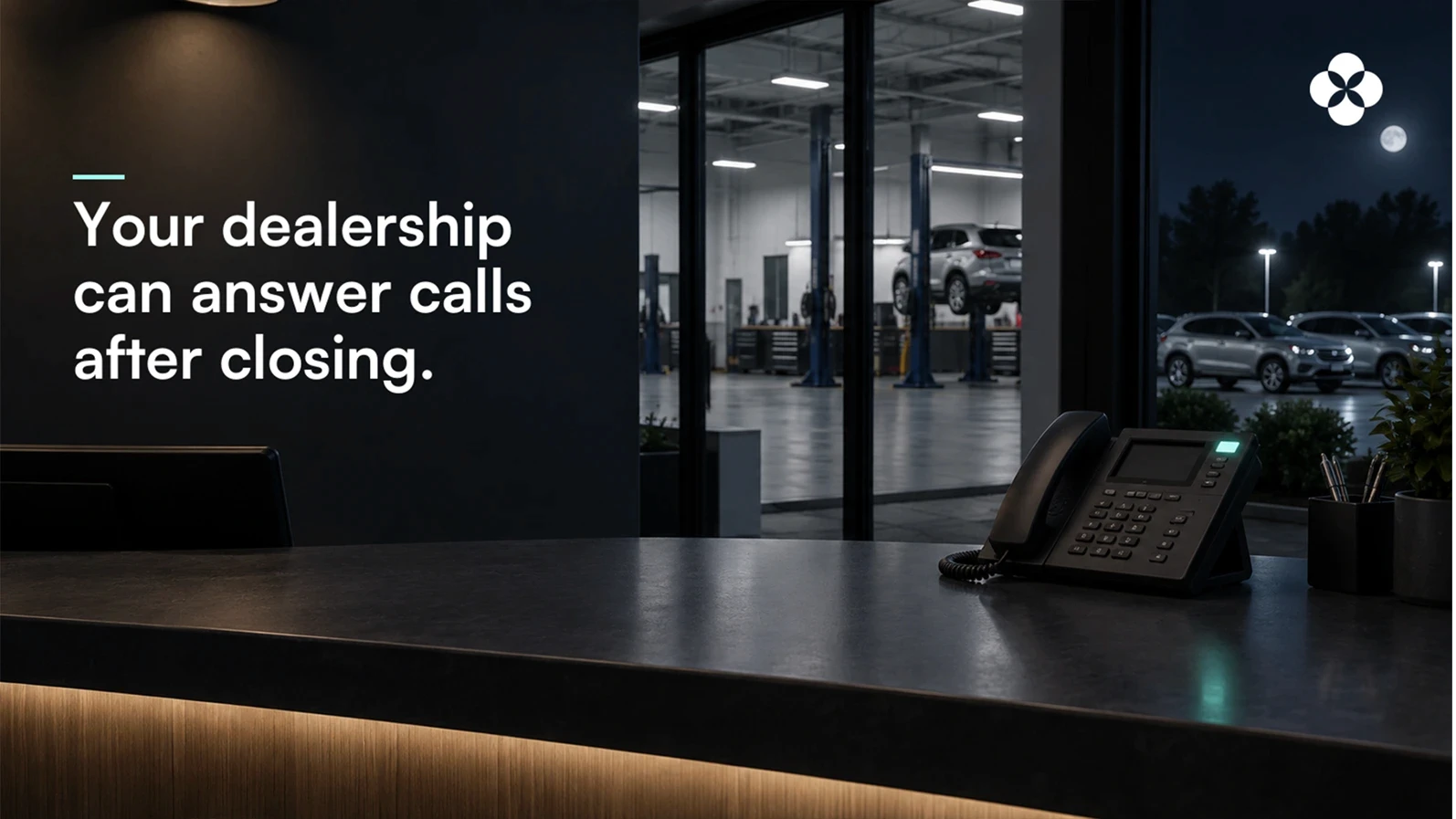
A customer calling a dealership usually wants something now. They may be checking vehicle availability, trying to schedule service, or asking a question before deciding what to do next. Sending that customer to voicemail puts the conversation on hold and leaves the dealership hoping they wait for a callback.
An AI receptionist gives dealerships another option. It can answer immediately, understand why someone is calling, handle routine requests, and move the conversation forward while the customer is still on the phone.
Why Traditional Voicemail Is No Longer Enough for Dealerships
Voicemail still gives callers somewhere to leave a message, but that is about all it does. The customer has to explain what they need, hang up, and wait for someone to get back to them.
For dealerships handling a steady stream of sales and service calls, that delay can turn into missed opportunities pretty quickly.
Customers Expect Immediate Answers
Most callers are looking for something simple and specific. They may want to know if a vehicle is available, check service hours, schedule an appointment, or reach a certain department.
When they hear a voicemail greeting instead, the process suddenly takes longer. Some customers will leave a message, but others may simply call another dealership that answers right away.
Voicemail Creates Delays in Lead Follow-Up
A voicemail still needs someone to listen to it, figure out what the caller wants, and return the call. During busy periods, that can take hours.
For a customer actively shopping for a vehicle or trying to book service, that delay matters. By the time the dealership responds, the customer may already be talking to someone else.
Important Customer Information Can Be Missed
Voicemail messages are not always clear. Customers may speak too quickly, forget to leave their number, skip important vehicle details, or give a vague explanation of what they need. An AI receptionist can ask follow-up questions during the call and collect the information in a more structured way.
Read more: AI Receptionist for Dealership: Transforming Dealership Management Systems with AI
What Is an AI Receptionist for Car Dealerships?
An AI receptionist for car dealerships uses conversational AI to answer and manage incoming calls. Instead of asking callers to leave a message, it can talk with them and help complete common requests during the call.
An automotive AI receptionist may answer questions, collect lead information, schedule appointments, route calls, or transfer customers to employees when human help is needed.
How an AI Receptionist Handles Dealership Calls
The AI listens to what the caller says and identifies the reason for the call. It can then follow the appropriate workflow based on whether the customer needs sales, service, scheduling, or another department.
An AI phone answering service can also collect relevant information before transferring a caller. Employees get more context instead of answering every call from scratch.
AI Receptionist vs. Traditional Voicemail
The biggest difference is what happens after the phone rings.
Traditional Voicemail | AI Receptionist |
Records a message | Holds a real-time conversation |
Requires later follow-up | Can handle requests immediately |
Limited after-hours support | Can operate 24/7 |
Cannot schedule appointments | Can support appointment booking |
Handles calls one at a time | Can manage multiple conversations |
Provides limited call data | Can capture structured call information |
Voicemail delays the conversation. An AI virtual receptionist can keep it moving.
Why Dealerships Are Replacing Voicemail With AI Receptionists
Dealerships are looking for better ways to handle calls without putting more pressure on already-busy teams. Dealership call automation can handle many routine conversations while still giving customers immediate help.
AI Receptionists Can Answer Calls 24/7
Customers do not limit their questions to dealership hours. Someone may call about a vehicle after dinner or remember they need an oil change late at night.
An AI receptionist can answer those calls after employees have gone home. Depending on its integrations, it may even complete the customer's request before the dealership opens again.
Dealerships Can Reduce Missed Calls and Lost Leads
Every unanswered call has an unknown value attached to it. It could be a routine question, but it could also be someone ready to schedule service or visit the showroom.
An AI voice agent for dealerships helps capture more of those conversations instead of automatically sending them to voicemail.
Customers Can Book Appointments During the Call
Appointment requests become much easier when customers can book immediately. The AI can collect their information, check available times, and confirm supported appointments during the conversation.
AI Receptionists Can Handle Multiple Calls at Once
A receptionist can only speak with one caller at a time. When call volume spikes, everyone else waits or gets sent to voicemail.
AI can handle multiple supported calls simultaneously. That gives dealerships more phone capacity during busy periods without requiring another employee for every additional conversation.
Dealership Staff Can Focus on Higher-Value Tasks
Many dealership calls involve the same questions and requests. Employees may spend large parts of the day checking availability, scheduling appointments, taking messages, and transferring calls.
Automating some of that work gives employees more time for customers who need direct human attention.
Read more: AI Receptionist: How AI Reduces Missed Calls and Increases Appointment Volume
How an AI Voice Agent for Dealerships Improves the Customer Experience
Good phone service is usually pretty simple: answer quickly, understand what the customer wants, and help them get it done.
An AI voice agent for dealerships can support that experience without making customers wait for someone to become available.
Faster Responses to Common Questions
An AI receptionist can provide supported information about dealership hours, departments, appointment availability, and other common topics. With this, customers get answers faster, while staff avoid repeating the same information throughout the day.
Shorter Hold Times
High call volume often means long hold queues. AI can handle routine conversations immediately instead of putting every caller in line for an employee. Customers who actually need a person can then be transferred based on the dealership's call flow.
More Consistent Customer Service
Busy employees may handle calls differently depending on workload, experience, or time of day. AI follows established dealership workflows every time.
That can create a more consistent process for collecting information, scheduling appointments, and routing customers.
Better After-Hours Customer Support
After-hours callers no longer have to choose between voicemail and calling back tomorrow. An AI virtual receptionist can answer questions and complete supported requests immediately.
That gives customers more flexibility while helping dealerships capture opportunities outside normal business hours.
How AI Receptionists Support Dealership Sales Teams
Sales calls can come from customers at very different stages of the buying process. Some are casually researching, while others want to see a specific vehicle today.
An automotive AI receptionist can help identify what the caller wants and move qualified opportunities toward the sales team.
Capturing More Inbound Sales Leads
Instead of losing unanswered sales calls to voicemail, AI can collect the customer's name, contact information, vehicle interest, and other useful details.
The dealership now has a usable lead rather than a missed call.
Qualifying Callers Before Sales Follow-Up
AI can ask basic questions to understand what the customer is looking for. That gives sales employees more context before they take over the conversation.
It also helps teams prioritize callers who are showing stronger buying intent.
Scheduling Test Drives and Sales Appointments
If the system connects with dealership scheduling tools, callers can potentially book a test drive or consultation during the same conversation.
That removes another step between initial interest and an actual showroom visit.
Routing High-Intent Leads to the Right Team
Some customers need immediate human help. AI can recognize supported high-intent requests and route callers to the appropriate person or department based on predefined rules.
Read more: AI Service Scheduling: What Dealers Need to Know in 2026
How AI Receptionists Help Dealership Service Departments
Service departments deal with heavy phone traffic throughout the day. Many calls involve scheduling, rescheduling, service questions, or appointment updates.
Automating routine requests can take a meaningful amount of pressure off service advisors.
Automating Service Appointment Scheduling
An AI receptionist can collect vehicle and service information, check available appointments, and complete bookings when connected to compatible scheduling systems.
Customers can schedule without waiting for an advisor to pick up.
Handling Routine Service Questions
Customers often call with straightforward questions about hours, appointment availability, or basic service information. These conversations can often be handled through established AI workflows.
More complicated repair questions can still go to a service advisor.
Reducing Service Department Call Backlogs
When AI handles routine calls, fewer customers end up waiting for service employees. Advisors can spend more time managing active repair orders and customers already at the dealership.
That can make phone traffic much easier to manage during peak hours.
Improving Appointment Capture From Missed Calls
Calls that previously would have gone unanswered can become actual service appointments. The customer gets help while they are ready to book instead of waiting for a callback.
For a busy service department, that can mean better use of available appointment capacity.
AI Receptionist vs. Human Receptionist: Does AI Replace Dealership Staff?
AI does not need to handle every dealership conversation. Some calls are simple and repetitive, while others clearly need a person.
The practical approach is deciding which conversations should be automated and which should go directly to staff.
AI Is Best for Repetitive and High-Volume Calls
Scheduling, common questions, basic lead capture, and call routing are strong candidates for automation. These tasks follow relatively predictable workflows and can consume a lot of employee time.
AI can handle that volume consistently without getting tied up on another call.
Human Staff Remain Important for Complex Conversations
Negotiations, unusual service issues, complaints, financing questions, and sensitive customer situations often need human judgment.
A good AI system should recognize its limits and provide a clear escalation path.
The Best Approach Combines AI and Human Support
AI handles routine volume while employees take the conversations where their expertise matters most. This gives dealerships more call capacity without removing human support from the customer experience.
Read more: How an AI Receptionist for Dealerships Enhances Your Human Front Desk
How AI Receptionists Integrate With Dealership Systems
An AI receptionist becomes far more useful when it connects with the systems the dealership already uses. Integrations allow information gathered during calls to move directly into existing workflows.
CRM Integration
CRM integration can connect callers with existing records or create new leads. Sales and service teams can then see relevant information without manually entering everything again. This also makes follow-up easier to track.
Appointment Scheduling Integration
Scheduling integrations allow AI to work with actual appointment availability. Customers can choose a time and receive confirmation during the call instead of waiting for staff approval.
This can support both service and sales workflows depending on the system.
Call Routing and Department Transfers
AI can route callers based on what they actually need rather than asking them to navigate a long phone menu.
When human help is required, the call can be transferred to the appropriate department or employee.
Call Transcripts and Customer Data
AI systems may provide call transcripts, summaries, intent data, and outcomes. Managers can use that information to understand why customers are calling and what happens to those opportunities. That gives dealerships far better visibility than a voicemail inbox alone.
What Dealerships Should Look for in an AI Receptionist
AI receptionist platforms can vary widely, so dealerships should look beyond basic call answering. The system needs to fit automotive workflows and connect with the tools employees already use.
Automotive-Specific Conversation Capabilities
Dealership calls have their own terminology, customer questions, and workflows. An AI receptionist should understand common automotive sales and service conversations instead of relying on generic scripts.
CRM and Scheduling Integrations
The AI should connect with the systems needed to complete actual work. Strong integrations reduce manual data entry and allow conversations to turn into appointments and usable leads.
Natural-Sounding Voice Conversations
Customers should be able to speak naturally rather than carefully following rigid prompts. A conversational system makes interactions faster and easier.
Custom Call Flows
Every dealership operates differently. Call workflows should be configurable around departments, hours, locations, escalation rules, and common customer requests.
Reporting and Call Analytics
Dealerships should be able to see what happened on incoming calls. Useful reporting may include call volume, reasons for calling, appointment outcomes, transfers, and unresolved requests.
Human Escalation
AI needs a clear handoff process when a conversation requires an employee. Customers should not get trapped in an automated conversation when the system cannot resolve their request.
The Business Impact of Replacing Voicemail With an AI Receptionist
Replacing voicemail changes what happens to calls employees cannot immediately answer. Instead of storing customer intent for later, dealerships can act on it while the caller is still engaged.
More Calls Converted Into Opportunities
Calls about vehicles, service, trade-ins, and appointments can be captured immediately. Even when the AI cannot complete the request, it can collect useful information for follow-up.
That gives the dealership more chances to turn existing call volume into revenue.
Greater Appointment Capture
Customers can schedule supported appointments without waiting for someone to call them back. This can help dealerships capture service visits, test drives, and sales appointments that might otherwise disappear.
Lower Administrative Workload
AI can handle repetitive answering, lead capture, scheduling, and routing tasks. Employees spend less time working through voicemail messages and returning basic calls.
Better Visibility Into Inbound Calls
Voicemail tells a dealership who left a message. AI call data can show why people called, what they requested, what happened during the conversation, and which calls became appointments or leads.
Is an AI Receptionist Right for Your Dealership?
An AI receptionist may make sense if calls regularly go unanswered, customers spend too long on hold, service advisors are overwhelmed with scheduling requests, or valuable after-hours calls keep going to voicemail.
Dealerships do not need to automate every conversation at once. Starting with high-volume, repetitive calls can make it easier to see where AI creates the most value.
From Voicemail to Real-Time Customer Conversations
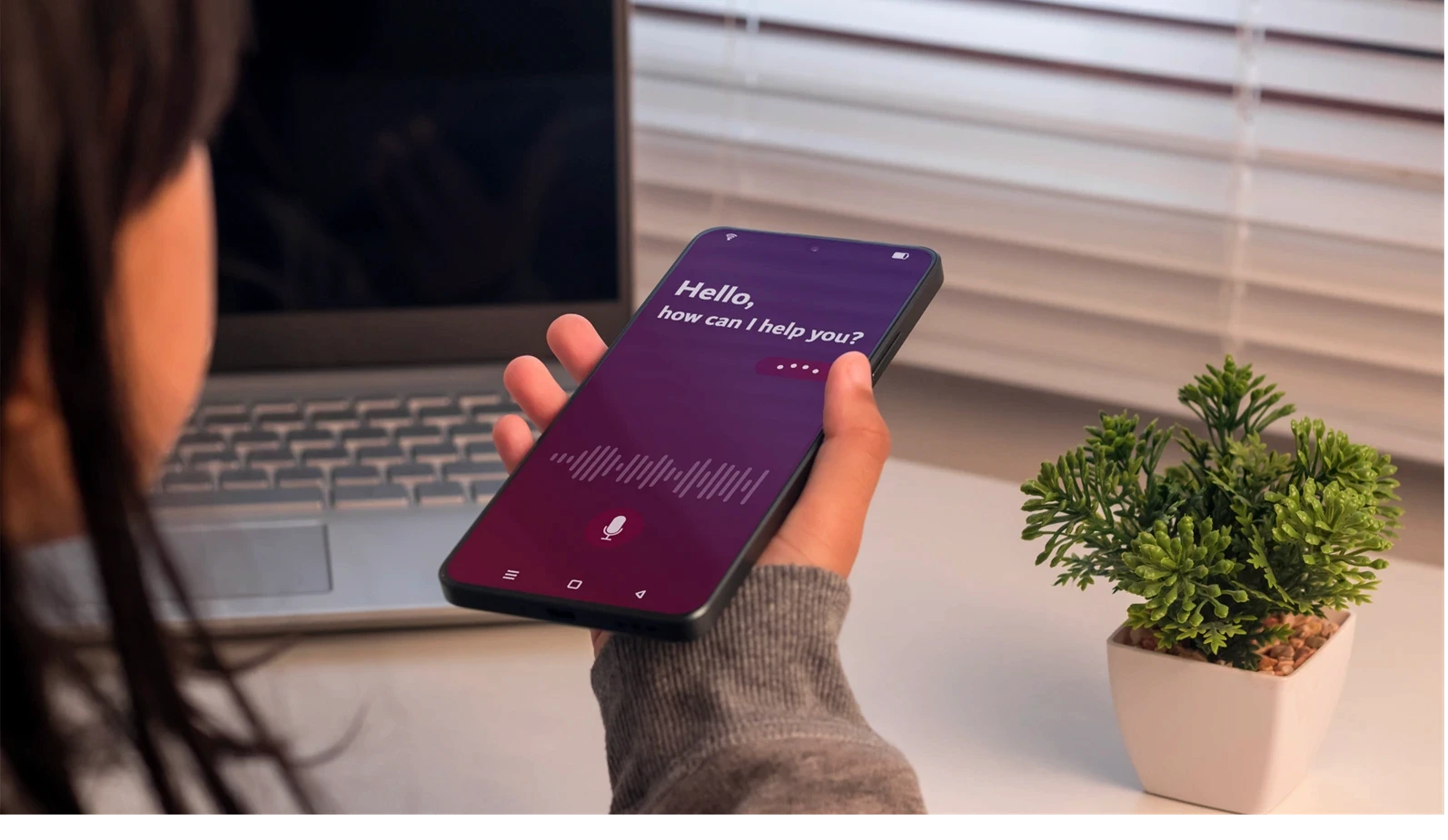
Voicemail records opportunities. An AI receptionist can actually do something with them.
Pam gives dealerships an AI receptionist for car dealerships that can answer calls, handle routine customer requests, support appointment scheduling, and help sales and service teams capture more opportunities around the clock. If voicemail is still doing too much of the dealership's phone answering, book a demo with Pam today and see what real-time AI call handling can look like.
Frequently Asked Questions
What Is an AI Receptionist for a Car Dealership?
An AI receptionist for a car dealership is a voice-based AI system that answers incoming calls and helps customers with common sales and service requests. It can collect lead information, answer supported questions, schedule appointments, route calls, and escalate conversations to dealership employees when needed.
Can an AI Receptionist Answer Dealership Calls 24/7?
Yes. An AI receptionist can answer calls outside normal dealership hours, including nights and weekends. This gives customers a way to get help or complete supported requests without waiting for the dealership to reopen.
Can an AI Receptionist Schedule Service Appointments?
Yes, when connected with compatible dealership scheduling systems. The AI can collect customer and vehicle information, check appointment availability, and confirm the service visit during the conversation.
Can an AI Receptionist Handle Both Sales and Service Calls?
Yes. An automotive AI receptionist can identify why someone is calling and follow different workflows for sales, service, scheduling, and other departments. Calls that require human assistance can also be routed to the appropriate employee.
Is an AI Receptionist Better Than Voicemail?
For many dealership calls, yes. Voicemail records a message for someone to handle later, while an AI receptionist can respond immediately, collect information, answer supported questions, schedule appointments, and route customers in real time.
A customer calling a dealership usually wants something now. They may be checking vehicle availability, trying to schedule service, or asking a question before deciding what to do next. Sending that customer to voicemail puts the conversation on hold and leaves the dealership hoping they wait for a callback.
An AI receptionist gives dealerships another option. It can answer immediately, understand why someone is calling, handle routine requests, and move the conversation forward while the customer is still on the phone.
Why Traditional Voicemail Is No Longer Enough for Dealerships
Voicemail still gives callers somewhere to leave a message, but that is about all it does. The customer has to explain what they need, hang up, and wait for someone to get back to them.
For dealerships handling a steady stream of sales and service calls, that delay can turn into missed opportunities pretty quickly.
Customers Expect Immediate Answers
Most callers are looking for something simple and specific. They may want to know if a vehicle is available, check service hours, schedule an appointment, or reach a certain department.
When they hear a voicemail greeting instead, the process suddenly takes longer. Some customers will leave a message, but others may simply call another dealership that answers right away.
Voicemail Creates Delays in Lead Follow-Up
A voicemail still needs someone to listen to it, figure out what the caller wants, and return the call. During busy periods, that can take hours.
For a customer actively shopping for a vehicle or trying to book service, that delay matters. By the time the dealership responds, the customer may already be talking to someone else.
Important Customer Information Can Be Missed
Voicemail messages are not always clear. Customers may speak too quickly, forget to leave their number, skip important vehicle details, or give a vague explanation of what they need. An AI receptionist can ask follow-up questions during the call and collect the information in a more structured way.
Read more: AI Receptionist for Dealership: Transforming Dealership Management Systems with AI
What Is an AI Receptionist for Car Dealerships?
An AI receptionist for car dealerships uses conversational AI to answer and manage incoming calls. Instead of asking callers to leave a message, it can talk with them and help complete common requests during the call.
An automotive AI receptionist may answer questions, collect lead information, schedule appointments, route calls, or transfer customers to employees when human help is needed.
How an AI Receptionist Handles Dealership Calls
The AI listens to what the caller says and identifies the reason for the call. It can then follow the appropriate workflow based on whether the customer needs sales, service, scheduling, or another department.
An AI phone answering service can also collect relevant information before transferring a caller. Employees get more context instead of answering every call from scratch.
AI Receptionist vs. Traditional Voicemail
The biggest difference is what happens after the phone rings.
Traditional Voicemail | AI Receptionist |
Records a message | Holds a real-time conversation |
Requires later follow-up | Can handle requests immediately |
Limited after-hours support | Can operate 24/7 |
Cannot schedule appointments | Can support appointment booking |
Handles calls one at a time | Can manage multiple conversations |
Provides limited call data | Can capture structured call information |
Voicemail delays the conversation. An AI virtual receptionist can keep it moving.
Why Dealerships Are Replacing Voicemail With AI Receptionists
Dealerships are looking for better ways to handle calls without putting more pressure on already-busy teams. Dealership call automation can handle many routine conversations while still giving customers immediate help.
AI Receptionists Can Answer Calls 24/7
Customers do not limit their questions to dealership hours. Someone may call about a vehicle after dinner or remember they need an oil change late at night.
An AI receptionist can answer those calls after employees have gone home. Depending on its integrations, it may even complete the customer's request before the dealership opens again.
Dealerships Can Reduce Missed Calls and Lost Leads
Every unanswered call has an unknown value attached to it. It could be a routine question, but it could also be someone ready to schedule service or visit the showroom.
An AI voice agent for dealerships helps capture more of those conversations instead of automatically sending them to voicemail.
Customers Can Book Appointments During the Call
Appointment requests become much easier when customers can book immediately. The AI can collect their information, check available times, and confirm supported appointments during the conversation.
AI Receptionists Can Handle Multiple Calls at Once
A receptionist can only speak with one caller at a time. When call volume spikes, everyone else waits or gets sent to voicemail.
AI can handle multiple supported calls simultaneously. That gives dealerships more phone capacity during busy periods without requiring another employee for every additional conversation.
Dealership Staff Can Focus on Higher-Value Tasks
Many dealership calls involve the same questions and requests. Employees may spend large parts of the day checking availability, scheduling appointments, taking messages, and transferring calls.
Automating some of that work gives employees more time for customers who need direct human attention.
Read more: AI Receptionist: How AI Reduces Missed Calls and Increases Appointment Volume
How an AI Voice Agent for Dealerships Improves the Customer Experience
Good phone service is usually pretty simple: answer quickly, understand what the customer wants, and help them get it done.
An AI voice agent for dealerships can support that experience without making customers wait for someone to become available.
Faster Responses to Common Questions
An AI receptionist can provide supported information about dealership hours, departments, appointment availability, and other common topics. With this, customers get answers faster, while staff avoid repeating the same information throughout the day.
Shorter Hold Times
High call volume often means long hold queues. AI can handle routine conversations immediately instead of putting every caller in line for an employee. Customers who actually need a person can then be transferred based on the dealership's call flow.
More Consistent Customer Service
Busy employees may handle calls differently depending on workload, experience, or time of day. AI follows established dealership workflows every time.
That can create a more consistent process for collecting information, scheduling appointments, and routing customers.
Better After-Hours Customer Support
After-hours callers no longer have to choose between voicemail and calling back tomorrow. An AI virtual receptionist can answer questions and complete supported requests immediately.
That gives customers more flexibility while helping dealerships capture opportunities outside normal business hours.
How AI Receptionists Support Dealership Sales Teams
Sales calls can come from customers at very different stages of the buying process. Some are casually researching, while others want to see a specific vehicle today.
An automotive AI receptionist can help identify what the caller wants and move qualified opportunities toward the sales team.
Capturing More Inbound Sales Leads
Instead of losing unanswered sales calls to voicemail, AI can collect the customer's name, contact information, vehicle interest, and other useful details.
The dealership now has a usable lead rather than a missed call.
Qualifying Callers Before Sales Follow-Up
AI can ask basic questions to understand what the customer is looking for. That gives sales employees more context before they take over the conversation.
It also helps teams prioritize callers who are showing stronger buying intent.
Scheduling Test Drives and Sales Appointments
If the system connects with dealership scheduling tools, callers can potentially book a test drive or consultation during the same conversation.
That removes another step between initial interest and an actual showroom visit.
Routing High-Intent Leads to the Right Team
Some customers need immediate human help. AI can recognize supported high-intent requests and route callers to the appropriate person or department based on predefined rules.
Read more: AI Service Scheduling: What Dealers Need to Know in 2026
How AI Receptionists Help Dealership Service Departments
Service departments deal with heavy phone traffic throughout the day. Many calls involve scheduling, rescheduling, service questions, or appointment updates.
Automating routine requests can take a meaningful amount of pressure off service advisors.
Automating Service Appointment Scheduling
An AI receptionist can collect vehicle and service information, check available appointments, and complete bookings when connected to compatible scheduling systems.
Customers can schedule without waiting for an advisor to pick up.
Handling Routine Service Questions
Customers often call with straightforward questions about hours, appointment availability, or basic service information. These conversations can often be handled through established AI workflows.
More complicated repair questions can still go to a service advisor.
Reducing Service Department Call Backlogs
When AI handles routine calls, fewer customers end up waiting for service employees. Advisors can spend more time managing active repair orders and customers already at the dealership.
That can make phone traffic much easier to manage during peak hours.
Improving Appointment Capture From Missed Calls
Calls that previously would have gone unanswered can become actual service appointments. The customer gets help while they are ready to book instead of waiting for a callback.
For a busy service department, that can mean better use of available appointment capacity.
AI Receptionist vs. Human Receptionist: Does AI Replace Dealership Staff?
AI does not need to handle every dealership conversation. Some calls are simple and repetitive, while others clearly need a person.
The practical approach is deciding which conversations should be automated and which should go directly to staff.
AI Is Best for Repetitive and High-Volume Calls
Scheduling, common questions, basic lead capture, and call routing are strong candidates for automation. These tasks follow relatively predictable workflows and can consume a lot of employee time.
AI can handle that volume consistently without getting tied up on another call.
Human Staff Remain Important for Complex Conversations
Negotiations, unusual service issues, complaints, financing questions, and sensitive customer situations often need human judgment.
A good AI system should recognize its limits and provide a clear escalation path.
The Best Approach Combines AI and Human Support
AI handles routine volume while employees take the conversations where their expertise matters most. This gives dealerships more call capacity without removing human support from the customer experience.
Read more: How an AI Receptionist for Dealerships Enhances Your Human Front Desk
How AI Receptionists Integrate With Dealership Systems
An AI receptionist becomes far more useful when it connects with the systems the dealership already uses. Integrations allow information gathered during calls to move directly into existing workflows.
CRM Integration
CRM integration can connect callers with existing records or create new leads. Sales and service teams can then see relevant information without manually entering everything again. This also makes follow-up easier to track.
Appointment Scheduling Integration
Scheduling integrations allow AI to work with actual appointment availability. Customers can choose a time and receive confirmation during the call instead of waiting for staff approval.
This can support both service and sales workflows depending on the system.
Call Routing and Department Transfers
AI can route callers based on what they actually need rather than asking them to navigate a long phone menu.
When human help is required, the call can be transferred to the appropriate department or employee.
Call Transcripts and Customer Data
AI systems may provide call transcripts, summaries, intent data, and outcomes. Managers can use that information to understand why customers are calling and what happens to those opportunities. That gives dealerships far better visibility than a voicemail inbox alone.
What Dealerships Should Look for in an AI Receptionist
AI receptionist platforms can vary widely, so dealerships should look beyond basic call answering. The system needs to fit automotive workflows and connect with the tools employees already use.
Automotive-Specific Conversation Capabilities
Dealership calls have their own terminology, customer questions, and workflows. An AI receptionist should understand common automotive sales and service conversations instead of relying on generic scripts.
CRM and Scheduling Integrations
The AI should connect with the systems needed to complete actual work. Strong integrations reduce manual data entry and allow conversations to turn into appointments and usable leads.
Natural-Sounding Voice Conversations
Customers should be able to speak naturally rather than carefully following rigid prompts. A conversational system makes interactions faster and easier.
Custom Call Flows
Every dealership operates differently. Call workflows should be configurable around departments, hours, locations, escalation rules, and common customer requests.
Reporting and Call Analytics
Dealerships should be able to see what happened on incoming calls. Useful reporting may include call volume, reasons for calling, appointment outcomes, transfers, and unresolved requests.
Human Escalation
AI needs a clear handoff process when a conversation requires an employee. Customers should not get trapped in an automated conversation when the system cannot resolve their request.
The Business Impact of Replacing Voicemail With an AI Receptionist
Replacing voicemail changes what happens to calls employees cannot immediately answer. Instead of storing customer intent for later, dealerships can act on it while the caller is still engaged.
More Calls Converted Into Opportunities
Calls about vehicles, service, trade-ins, and appointments can be captured immediately. Even when the AI cannot complete the request, it can collect useful information for follow-up.
That gives the dealership more chances to turn existing call volume into revenue.
Greater Appointment Capture
Customers can schedule supported appointments without waiting for someone to call them back. This can help dealerships capture service visits, test drives, and sales appointments that might otherwise disappear.
Lower Administrative Workload
AI can handle repetitive answering, lead capture, scheduling, and routing tasks. Employees spend less time working through voicemail messages and returning basic calls.
Better Visibility Into Inbound Calls
Voicemail tells a dealership who left a message. AI call data can show why people called, what they requested, what happened during the conversation, and which calls became appointments or leads.
Is an AI Receptionist Right for Your Dealership?
An AI receptionist may make sense if calls regularly go unanswered, customers spend too long on hold, service advisors are overwhelmed with scheduling requests, or valuable after-hours calls keep going to voicemail.
Dealerships do not need to automate every conversation at once. Starting with high-volume, repetitive calls can make it easier to see where AI creates the most value.
From Voicemail to Real-Time Customer Conversations
Voicemail records opportunities. An AI receptionist can actually do something with them.
Pam gives dealerships an AI receptionist for car dealerships that can answer calls, handle routine customer requests, support appointment scheduling, and help sales and service teams capture more opportunities around the clock. If voicemail is still doing too much of the dealership's phone answering, book a demo with Pam today and see what real-time AI call handling can look like.
Frequently Asked Questions
What Is an AI Receptionist for a Car Dealership?
An AI receptionist for a car dealership is a voice-based AI system that answers incoming calls and helps customers with common sales and service requests. It can collect lead information, answer supported questions, schedule appointments, route calls, and escalate conversations to dealership employees when needed.
Can an AI Receptionist Answer Dealership Calls 24/7?
Yes. An AI receptionist can answer calls outside normal dealership hours, including nights and weekends. This gives customers a way to get help or complete supported requests without waiting for the dealership to reopen.
Can an AI Receptionist Schedule Service Appointments?
Yes, when connected with compatible dealership scheduling systems. The AI can collect customer and vehicle information, check appointment availability, and confirm the service visit during the conversation.
Can an AI Receptionist Handle Both Sales and Service Calls?
Yes. An automotive AI receptionist can identify why someone is calling and follow different workflows for sales, service, scheduling, and other departments. Calls that require human assistance can also be routed to the appropriate employee.
Is an AI Receptionist Better Than Voicemail?
For many dealership calls, yes. Voicemail records a message for someone to handle later, while an AI receptionist can respond immediately, collect information, answer supported questions, schedule appointments, and route customers in real time.
Ready to See Pam in Action?
Book a demo today and see why hundreds of dealerships hire Pam to capture more revenue, day and night.
Ready to See Pam in Action?
Book a demo today and see why hundreds of dealerships hire Pam to capture more revenue, day and night.
Ready to See Pam in Action?
Book a demo today and see why hundreds of dealerships hire Pam to capture more revenue, day and night.
Pam is the AI Workforce for Car Dealerships.
© 2026 Dream Lab AI Inc. All Rights Reserved.